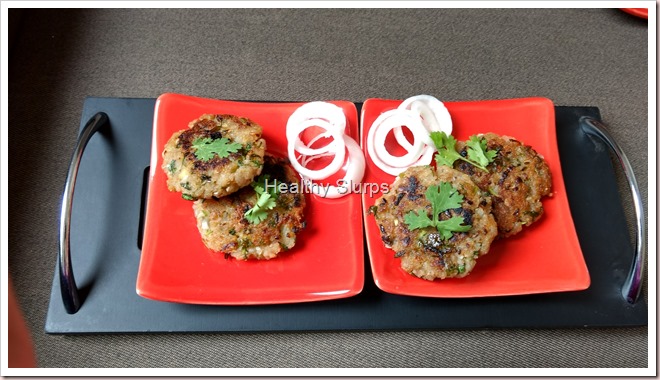
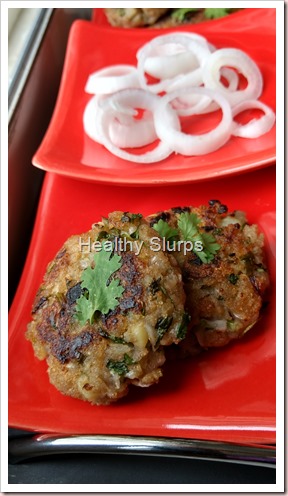
Apr 26, 2013

Sprouts and Palak

Reposting the recipe as entry to Only Cooking with Legumes event at Nalini’s Kitchen. A great event started by Pari Vashisht at her blog Foodelicious

You need

  1. Mixed sprouts or mung bean sprouts – heaped, 1 cup
  2. Palak leaves – wash in several changes of water, drain, chop and measure – 3 heaped cups
  3. Onion – chopped, 1/4 cup
  4. Garlic – 1 clove, crushed
  5. Tomato – chopped, 1/2 cup
  6. Green chilli – 2
  7. Root ginger – chopped – 1 tbsp
  8. Salt – 1 heaped tsp
  9. Garam masala powder – 1 tsp
  10. Oil – 1 tbsp + 1/2 tsp
  11. Jeera – 1/2 tsp

To Assemble

  1. Pressure cook mixed sprouts or mung bean sprouts for as much time as needed to be just cooked. The cooking time will depend on the bean. Set aside, for pressure to release. Alternately, if you are using only mung bean sprouts, just steaming them for 3-4 minutes would be good too.
  2. Heat 1 tbsp oil in a non stick pan or kadhai.
  3. Add in this order, each at a 30 second interval – garlic, ginger, green chilli, onion and tomato. Add salt, let the tomatoes mush up. DSC_00358
  4. Add chopped palak leaves. Toss the palak well in the pan, let it wilt and cook for about 2 minutes. DSC_00394
  5. Cool and grind to a smooth paste.
  6. To the same pan, add 1/2 tsp oil, Sizzle jeera in it.
  7. Tip in the palak puree and the cooked sprouts, add garam masala. Check for salt, add more if needed. DSC_0041_thumb9
  8. Simmer for 3-4 minutes, switch off cover and let flavours mingle for 10 minutes or more. DSC_0042_thumb4
  9. Serve warm with a lime wedge if you like, as accompaniment to hot phulkas or steamed rice. Yum. SmileSprouts and Palak - Double Healthy

Apr 15, 2013

Raw Mango Pachadi


A very Happy Ugadi, Tamizh Puthandu nal vazhthukkal , Happy Baisakhi, Happy Pohela Boishakh, and Wish you Happy Vishu to all readers!

New Year – Several names for the same event, many customs, happy celebrations, delicacies, it sure is happiness all around.

It is summer in several parts of India already. Our city is going through mid – summer too. The best part of summer is the arrival of mangoes in India. Raw, ripe, fragrant, in all sizes, mangoes are consumed in so many forms through summer. Apart from eating mangoes just so, they are also cooked into several delicious dishes. Each region of India has their own varietals of mangoes and several delicacies prepared with them too.

Raw Mango Pachadi is one such – hot, sweet, tangy, spicy, slurpy, all flavours in one dish. I never tire of making this simple pachadi during summer. Any variety of mango which has a small seed and plenty of flesh is good for the recipe. I normally use ‘Totapuri’ mango.The pachadi becomes part of lunch menus as well as festive menu at our home during this season. So I would love to share this much loved recipe with all readers on this Happy New year’s Day. Try it out and enjoy as much as we do.

Raw Mango Pachadi

You Need

  1. Raw mango, 1 medium – Peel skin, shave out pulp, discard seed. Measure 1 cup heaped of pulp shavings. Taste a wee bit of the cut mango. That will decide how much jaggery is needed.Mango pulp
  2. Jaggery -  If mango is super – sour, use equal volume of jaggery and mango. Else use up to 3/4 cup jaggery per cup of mango.
  3. Salt – 1 heaped tsp (again, depends on how sour the mango is)
  4. Turmeric powder – a pinch
  5. Fresh drinking water – 1 cup

For seasoning

  1. Any vegetable oil – 1 tbsp
  2. Fenugreek seeds ( methi seeds) – 1/2 tsp
  3. Mustard seeds – 1/2 tsp
  4. Red chillies – 6-8, broken into 3 bits each
  5. Curry  leaves – 5

To Assemble

  1. Take the mango pulp shavings and water in a slightly thick bottomed pan, set on boil. Once the water boils, cover and simmer  for 5 minutes. Stir once in between, check for water. Add more if needed. The mango should have cooked through by the end of 5 minutes. Skin, shave mango pulp
  2. Heat oil in a pan. Add fenugreek seeds, mustard, broken red chillies, curry leaves. Let sizzle.Add Seasonings to hot oil
  3. Add mango pulp, the measured jaggery, salt and turmeric powder. If your jaggery is big and lumpy, pound it to smaller chunks and then add. Allow the jaggery to melt and blend in with the mangoes.  Add salt, jaggery, simmer
  4. Give a quick mix, cover and keep for flavours to infuse.
  5. Serve with festive lunch of steamed rice, sambar, other curries. Raw Mango Pachadi
  6. Or just use as dipping sauce for samosas, smear onto chapatti and roll it up, or as dip for crudités. When using as a dip, squeeze out the red chillies, discard the curry leaves and then use.

Apr 11, 2013

Coffee Bean And Tea Leaf - Review


Cosy, homey, warm, comforting – are all words that come to mind when I think of the Cafe chain, Coffee Bean and Tea Leaf. Celebrating it’s Golden jubilee and running strong in India since 2008, the cafe chain has plans for expanding further too.

View of Indoor Cafe

The first thing that caught my attention was the ambience. With options of plush seating aided by soft lighting inside and a bright naturally lit ‘outdoor’ space lined with cafe table, chairs, the place looks cheerful and inviting.

The Coffees – I was informed that ‘only Arabica beans’ are sourced from East African, Latin American and Pacific regions. CBTL did not disappoint on the quality of coffee. Their mocha cappuccino was smooth, frothy, delivered the right coffee flavour with just a hint of chocolate and cinnamon. It was outstanding as was their caramel flavoured coffee. Others tried their “ice blended” Hazelnut and Double Chocolate coffees too.

Mocha CappuccinoCaramel Latte

Teas –  CBTL sources only whole leaf teas from across the world to ensure best flavours. They offer a  whole variety – Black, Flavoured, Green, Flavoured Green, Herbal Infusions and Fruit Infusions (whew – so many categories).

Chinese Black with Rose PetalsIndian Chai Blend

Quite a  choice, I’d say. – I tasted the Swedish berries – iced tea, (not really tea, rather a fruit infusion). It was very refreshing, aroma of fruits and berries wafted through, no mouth feel of artificial flavours, smooth aftertaste.

Swedish Berry - Iced TeaThe Swedish Berry leaves - closer look

We witnessed the brewing of ‘The Jasmine Dragon Phoenix Pearl’ – quite a sight to see the ‘pearled’ leaves uncurl in the hot water, and infuse the brew with it’s ‘jasmined’ tea aroma! The tea was an olfactory and gustatory treat! The jasmine did not overpower the tea flavour, instead, upon drinking, the tea induced a immediate stress-free, relaxed feel! ( Is it watching the almost magical uncurling of leaves playing on my mood?)

I sampled the Moroccan mint (Flavoured Green Tea) too. Invigorating, refreshing, great pick me up on tired days, I quite liked this one.

The Jasmine Green teaTea Bag Dipped in - at 30 secTea bag dipped in - at 1 minThe Ready Brew after 3 min

Choice of Menu – A new ‘Healthy Menu option’ launched to coincide with CTBL’s 50th year includes Banana Muesli, Oats and Cranberry Bars (mildly sweet, chewy, super yummy), egg white omelettes, multi grain croissants. A good choice of Low Calorie drinks such as the iced teas allow you to mind your calories and indulge at the same time. I saw Decaf coffees and teas on the menu card too.

Did I mention that their range of Sandwiches, Salads, Pastas are super scrumptious?

I sampled the  Roast Vegetable Sandwich with hummus, Seasonal Vegetable Lasagne and The Three Cheese Ciabizza. The lasagne was the best I have had in Bangalore so far. It was appealingly served with two garlic bread wedges. The sandwich did not speak much of ‘roast vegetable’, but tasted good with nice balance of creamy hummus and aubergines. The sandwich was served with fries and a tiny portion of salad. The Three Cheese Ciabizza is truly drowned in  gooey melty cheese. While a super calorie dense dish, this could be the  cheese lover’s ultimate delight. Any of these snacks, coupled with a drink could become a filling meal.

Oats Cranberry BarRoast vegetable sandwich with hummusSeasonal Vegetable Lasagne3 cheese ciabizza

Interesting dessert options like Blueberry Cheesecake, Banoffee Pie, Philadelphia Cheese cake, Oreo Cheese Cake, Brownies help you to round off the meal, should you be in the mood for some indulgence.

Dessert options

In keeping with the norm of international coffee chains, CBTL has special flavour additions like French vanilla Sugar, and Dutch mocha at no extra cost, to help customers, customise their drinks. Open-mouthed smile

Flavour add ons

Why go to CBTL?

Coffee Bean and Tea Leaf is a good choice for people to meet for business, for friends who want to catch up over (what else?) a great cuppa, for tired shoppers, for young couples who need some undisturbed space, for busy folks who can work away happily charged on caffeine (or decaf) and free Wi- Fi, for folks seeking a quiet spot to catch up on reading, for those looking for a hot or cold beverage, for a meal anytime, or just for some great coffee too!

Vegetarians have good  menu choices too.

Location – I visited the Cafe at 1, MG Road. This is in the thick of the business district and augurs well for the both cafe and customers. Other locations in Bangalore are at 7th Block, Koramangala, Inorbit Mall, Whitefield, Phoenix Market City, Whitefield, and the  Bangalore Airport.

Suggestions –

  • More outlets are surely welcome!
  • Menu could include more fresh salad options (found only two in the menu).
  • Offering baked vegetable wedges, such as potato or carrot wedges, instead of fries as accompaniment to sandwiches would make it healthier.

Special thanks -

Mr. Md. Zameer Ahmed, thank you for coordinating our afternoon, answering our queries patiently, and taking us through the nuances of coffees, teas and CBTL.

Score Card – On a scale of 1 to 10

Location – 10

Ambience – 10

Hygiene – 9

Food – 9

Choice for vegetarians - 9

Beverages – 10

Value for money – 10

Apr 1, 2013

Minty Garlic Potatoes

This was a recipe I tried out on a whim ages ago. I did not think much of it then. That is, until my child requested for it again. Isn’t it is true that potatoes are so versatile and can work with any flavours, seasonings and is an all time favourite with kids?

Yummilicious Baby Potatoes

I am particularly fond of this recipe since the flavours taste very fresh if you follow this method of preparation. Of course, I have just made it up the way my family likes it. You could tweak, add, change ingredients to suit your favourite flavours too. After all, what is a dish without improvisations? Useful for last minute lunch prep or when guests land up at mealtimes and you need to rustle up more food. I have used baby potatoes because I had them and because they look cute. SmileOf course, normal potatoes boiled and cubed are fine too. Take it forward anyway you like. This could even be a salad with boiled potatoes, pomegranate, some diced tomatoes and use the pudina as a dressing. The results are sure going to be delicious.

What’s good about potatoes?

  • It is popular belief that potatoes are full of starch and fat and offer little else. Potatoes have complex carbohydrates, which are a good source of carbs as opposed to refined flours and refined sugars.
  • It may also be surprising to know potatoes are a good source of several minerals like Magnesium, Potassium, Zinc, Copper.
  • Potatoes are also fair sources of Iron, Vitamin B complex and Vitamin C. Despite losses during cooking potatoes can deliver 2- 5 % of daily requirement of Vitamin B and C.
  • Potatoes are fatty? No way – they are a zero cholesterol food! The total fat in 100 gm. of potatoes is only 0.1 g and that is Omega 3 and Omega 6 fatty acids.
  • While the skin does not have any nutrients, it is the layer of potato just below the skin that has them. The best way to harness all these great vitamins and minerals is to cook/ boil them with skin on. This locks the nutrients in. When we peel potatoes after cooking, instead of before, we save a lot of the nutrients.
  • A lot of vitamins and minerals ‘leach into’ the cooking water. So it is a good practise to cook/boil in just enough water (instead of excess water) to optimise the maximum value of any vegetable, especially so in this recipe.
  • Adding a good bunch of fresh herbs like pudina (mint) and coriander to this recipe enhances it’s iron and fibre content.

I guess we need no more incentive to cook a lovely batch of minty potatoes. So here goes -

You need

  1. Baby potatoes – 500 gms
  2. Onion – 1 small, diced Fresh pudina leaves
  3. Mint leaves (Pudina leaves) – packed, 1 cup
  4. Coriander leaves – remove roots, clean, chop and measure 1/4 cup (optional)
  5. Garlic – 1 medium clove
  6. Juice of half a lemon
  7. Any vegetable oil – 2 tsp
  8. Saunf (fennel seeds) – 1/2 tsp
  9. Jeera – !/2 tsp
  10. Salt – 3/4 tsp
  11. Sugar – a pinch

To Assemble

  1. Immerse the baby potatoes in a water bath for half an hour if you have time. Else, leave in for 5 minutes and clean the skin well. You can boil the potatoes in enough water for 20 minutes or just pressure cook it till 1 whistle.
  2. Leave the boiled potatoes on the chopping board to cool naturally. Peel when sufficiently cool to handle.
    (Why not dunk in cold water? – Because that lets more minerals and vitamins dissolve into the ‘cooling water’ too.)
  3. Make a coarse paste of the following ingredients – half onion, pudina leaves, coriander leaves (if using), juice of half a lemon, sugar and the garlic clove. I used the ‘pulse’ button in my mixer to get the coarse texture. Coarse blend paste
  4. To a pan set on high heat, add the oil, sizzle saunf and jeera. Tip in the other half diced onion, fry until pink.
  5. Add the potatoes, salt and toss well. If you wish to get a nice ‘roasted feel’, let them simmer, scraping and tossing occasionally for 10 – 15 minutes. Salt the frying potatoes
  6. When the potatoes are done, add the coarse ground paste as a final step, toss the pan well to let the paste coat all the potatoes. Switch off flame immediately. Pudina paste - final step
  7. Cover and let flavours rest for 10 minutes. Serve warm with steamed rice and sambar or with hot phulkas.Minty Garlicky Potatoes

Notes

  • Add the crushed garlic to the hot oil instead of adding it to pudina paste if you detest the flavour of raw garlic.
  • Toss boiled potato with cherry tomatoes, (or regular tomato diced) and cucumber with the coarse ground pudina paste, chill and serve as salad.

Ready to dig in..

Mar 25, 2013

Chukkumanam


A very Happy Holi to all readers! I adore this festival for the bonhomie and togetherness it brings about. The internet abounds with recipes you could make on this happy festive day. This recipe is just what you would feel happy to reach out for after gorging on endless plates of Mawa Gujiya, Kachoris, Dahi vada and other absolute indulgences.

So for my post today, I am offering a tongue tickling, slurp worthy, lip-curling,  ... Tamarind Digestive! You can make this ahead. It keeps well for a couple of weeks, maybe more. I have never found out. Batches of these disappear at our home within days of making. Yummy Slurpy Chukkumanam

It is fairly simple, with ingredients you would always find around the house. So what is the tough part? Pounding the tamarind to a gooey pulp! For, this tastes best when hand-pounded in a mortar and pestle. This takes time and will leave you happier for your toned arms after this exercise! Open-mouthed smile

Traditionally Chukkumanam is made at our homes for ‘Sumangali Prarthanai’ (invoking the Blessings of all married women of the family who have passed on). Several married women are invited home, their feet washed, anointed with fragrant sandal, offered auspicious turmeric and red kumkum. They are then fed and how! Over clean wide banana leaves, they are served course upon course, dish after delicious dish, until all the women groan under the gastronomic assault! To help digest their special heavy meal, the Sumangalis are then offered ‘spiced buttermilk’ and this ‘Chukkumanam’. The traditional recipe does not include jaggery, but I have added it for balance.

Enjoy the digestive after your special festive gastronomic journey on Holi, or make it anytime you feel like.

You Need

  1. Cleaned, deseeded, tamarind - 4 heaped tsp
  2. Jaggery, powder and measure - 2 tbsp
  3. Dry ginger powder - 2 tsp
  4. Salt - 1 tsp
  5. Bedige Red chilli - 1/4 of 1 chilli
  6. Ghee - 1/2 tsp


To Assemble -

  1. Clean, deseed and remove fibre and other impurities, if any, from the tamarind. Place in a mortar and pestle or mixer jar.
  2. Add all other ingredients except ghee, pound by hand or use pulse button of mixer to get a uniform mixture. If pounding by hand, it will need about 10 minutes of persistent effort to bring the mixture together. If using the mixer, be very careful while using for the recipe does not have any water, the solids can clog the blade and ruin it.Knead the mixture together with ghee
  3. Remove to plate, add warmed ghee, knead with hand.Roll into Balls with greased hand
  4. Roll into small balls, stick on toothpicks to serve immediately.
  5. Wrap in parchment paper to store for up to two weeks.DSC_0012

DSC_0016

Mar 12, 2013

Lauki raita/ Sorakayi pachadi


Bottle gourd as it is known in English, was not a favourite at our home too, that is until my yoga teacher shared this recipe with me. Bottle gourd is always paired with a protein such as chana dal or tuvar dal or mung dal in traditional Indian recipes. One reason could be that the vegetable has very low protein levels. Thus creating a dish with the vegetable + protein makes it complete!

Of the several Indian recipes such as using it in koftas, avial, kootu, I took an instant liking to using it in raita. Cooling, refreshing, this extremely simple dish can be paired with any entree, any cuisine. The best part is very few ingredients are required and takes little time to put together. Use it as dip, chutney, raita, or to fill in hunger pangs between meals too.

What’s good about Bottle gourd?

  • Bottle gourd has plenty of moisture and dietary fibre. This makes it an ideal summer vegetable to replenish fluids in the body. The fibre keeps constipation, piles, cholesterol and even colon cancer at bay.
  • 100 gm of uncooked bottle gourd has only 12 calories. This makes the vegetable an instant pick me up for weight loss diets.
  • It has no protein or fat content – the only way to add that would be in a recipe that includes some protein and good fat.
  • This humble vegetable is a fair source of Magnesium, Zinc, Potassium and Copper. All minerals needed by teenagers and growing children.
  • Also a very low sodium vegetable, this is very suitable for people with high blood pressure or diabetes too.
  • Do check out this link too. http://www.thehindu.com/health/policy-and-issues/article2571430.ece

So do try out this super simple and soul satisfying recipe this summer.

You needGrated bottle gourd

  1. Bottle gourd/ lauki/ sorakayi – select tender lauki, wash, peel, grate to a medium fineness, measure 3/4 cup.
  2. Thick curd – 1 cup ( I used home made skim milk curd) If you use store bought curd, select fresh probiotic skim milk curd.
  3. Salt – 1/4 tsp.
  4. Sugar – a pinch (optional).
  5. Fresh coriander leaves – chopped fine – 1 tbsp

For seasoning

  1. Oil – 1/2 tsp
  2. Mustard seeds – 1/4 tsp
  3. Asafoetida – a teeny pinch
  4. Green chilli – 1, finely chopped
  5. Curry leaves – 3-4 torn up

To assemble

  1. Combine the grated bottle gourd, whipped curd, salt, and sugar.
  2. Heat oil in a small tadka pan, add oil and other seasoning ingredients in order.
  3. Pour over raita.
  4. Top with chopped coriander leaves.
  5. Chill for an hour before serving.

Cool curd and hot takda

Variations

  1. Omit seasoning.
  2. Add roasted jeera powder and kala namak powder if you like the piquancy.
  3. Add one half onion, finely diced, or few chopped stems of spring onion along with bottle gourd in the raita.
  4. Add grated carrot for colour!

 Chilled Bottle gourd raita

Mar 5, 2013

Sprouts In Palak Gravy

Reposting the recipe as entry to Only Cooking with Legumes event at Nalini’s Kitchen. A great event started by Pari Vashisht at her blog Foodelicious

March is the season of winter in some places, spring in some parts of the world, and summer in several parts too! One season is common to all in India – March is the season of exam fever all over the country! Rising temperatures, portions to complete, revise, projects to submit, cramming before exams, and raging hormones no less, all add to the Indian teenager’s agony. Standing at an important crossroad of life, today’s teenager and the family have a lot of stress to face through these weeks.

At such stressful times, it goes without saying that a healthy body and healthy mind are very crucial to crack the tests and come through happily. Parents are eager to know what can help in improving their children’s health and will do all it takes to better their child’s chances at success. I have had several parents ask me about ideal diet for children during study holidays and examination - time. An ideal diet at these times should include plenty of fibre, vitamins and minerals and less of refined starches. Greasy, spicy foods are best avoided too. Fruits, fresh squeezed citrus fruit juice without too much sugar, other fluids like tender coconut water do wonders to keep the body and mind stable and calm. It also helps to spend some time in playing  a favourite game and / or doing breathing exercises like ‘Pranayama’ (after learning from a qualified teacher).

Let us begin with good food. Food that is nourishing, sustaining, and tasty too! Food that energises without being heavy, food that delivers maximum effect with minimum effort. What can fit this bill better than sprouts?

I am quite fond of sprouts for their power packed nutrient content. Sprouts are an invaluable source of protein in a vegetarian’s diet. Besides the protein punch, sprouts are also chockfull of Vitamins B (better digestion, stronger nerves), Vitamin C ( better immunity, healthier gums). Also present are Minerals like Zinc, Copper, Iron – These are needed for a growing teen for stronger muscles, more blood cells and hence more oxygen to body and brain! Sprouts are low on glycemic index too. They are the perfect food for holistic health – of mind and body.

While it is true that raw sprouts give all the benefits of vitamins, fibre, minerals, yet it is not an easy task to coax children to chew on them frequently.If you can get your teen to chew on a tbsp of raw mung bean sprouts daily, it would be wonderful. However. do not despair if she does not agree. I often choose the middle path – steam the sprouts, or microwave them for a brief while to take the raw offensive flavour out. Steaming sprouts also is good to help elderly or people with compromised immunity to digest it easily.

Eating cooked sprouts is better than not eating them at all. Eating cooked sprouts in a smooth flavourful palak gravy is even better. What say?

Parathas made with multi grain dough flavoured with ajwain paired well with this sprouts in palak gravy. It was school lunch fare and I am so glad to say that other kids at school liked it too. This is an ideal meal for children working hard at their academics at this time of the year.

Bowl of Sprouts in Palak

You need

  1. Mixed sprouts or mung bean sprouts – heaped, 1 cup
  2. Palak leaves – wash in several changes of water, drain, chop and measure – 3 heaped cups
  3. Onion – chopped, 1/4 cup
  4. Garlic – 1 clove, crushed
  5. Tomato – chopped, 1/2 cup
  6. Green chilli – 2
  7. Root ginger – chopped – 1 tbsp
  8. Salt – 1 heaped tsp
  9. Garam masala powder – 1 tsp
  10. Oil – 1 tbsp + 1/2 tsp
  11. Jeera – 1/2 tsp

To Assemble

  1. Pressure cook mixed sprouts or mung bean sprouts for as much time as needed to be just cooked. The cooking time will depend on the bean. Set aside, for pressure to release. Alternately, if you are using only mung bean sprouts, just steaming them for 3-4 minutes would be good too.
  2. Heat 1 tbsp oil in a non stick pan or kadhai.
  3. Add in this order, each at a 30 second interval   – garlic, ginger, green chilli, onion and tomato. Add salt, let the tomatoes mush up. Fry ingredients in oil
  4. Add chopped palak leaves. Toss the palak well in the pan, let it wilt and cook for about 2 minutes. Add chopped palak
  5. Cool and grind to a smooth paste.
  6. To the same pan, add 1/2 tsp oil, Sizzle jeera in it.
  7. Tip in the palak puree and the cooked sprouts, add garam masala. Check for salt, add more if needed. Mix palak puree and cooked sprouts
  8. Simmer for 3-4 minutes, switch off cover and let flavours mingle for 10 minutes or more. DSC_0042
  9. Serve warm with a lime wedge if you like, as accompaniment to hot phulkas or steamed rice. Yum. SmilePower Packed Meal